Phone:
(701)814-6992
Physical address:
6296 Donnelly Plaza
Ratkeville, Bahamas.

Metal roof panels are sheets of metal formed into profiles that cover a roof. They protect buildings from rain, snow, wind, and sun. These panels come in many styles and materials. Some are flat. Others have ribs or waves. The right choice depends on your building type, climate, and budget.
Metal roofing lasts longer than asphalt shingles. It reflects heat. It resists fire. Many homeowners and businesses now choose metal roof panels for these reasons. The market keeps growing. More buyers search for metal roof panels near me every year.
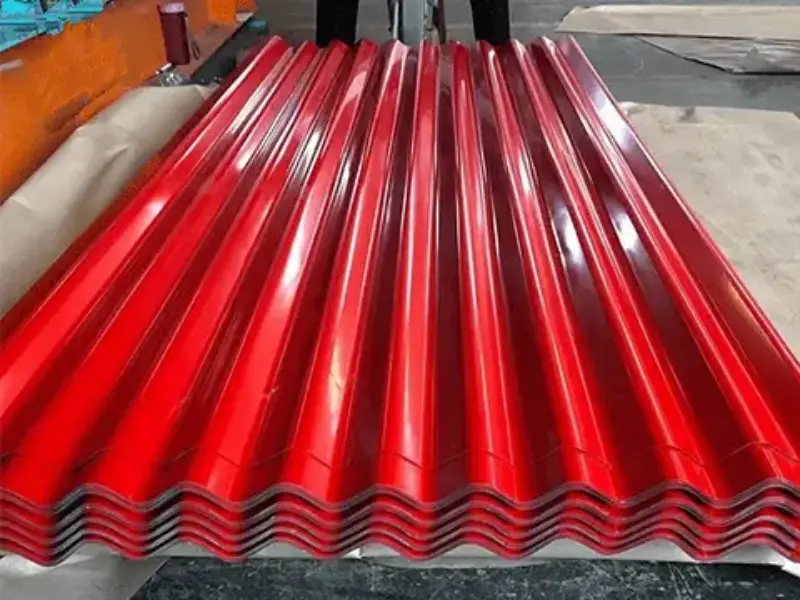
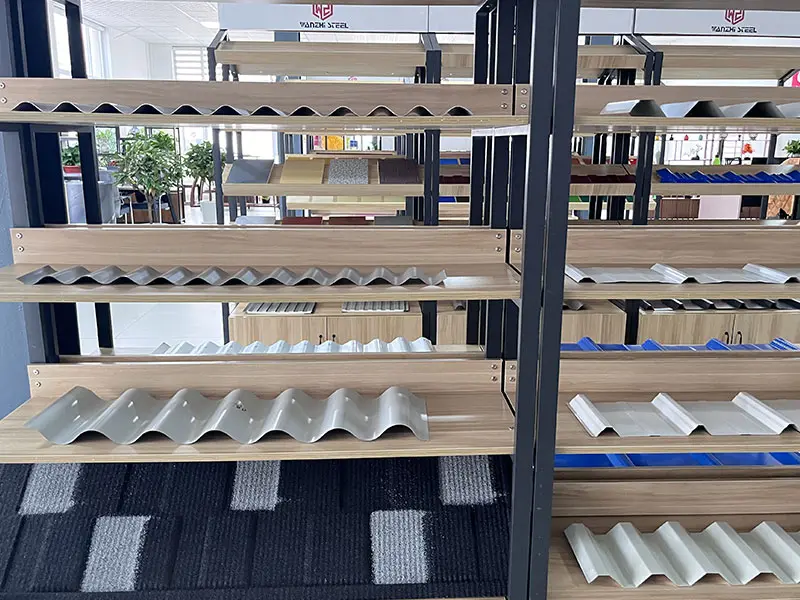
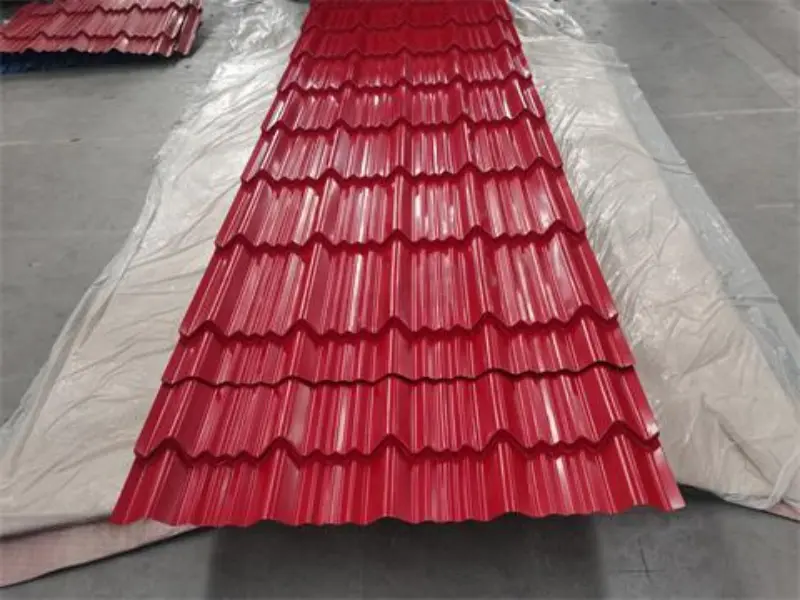
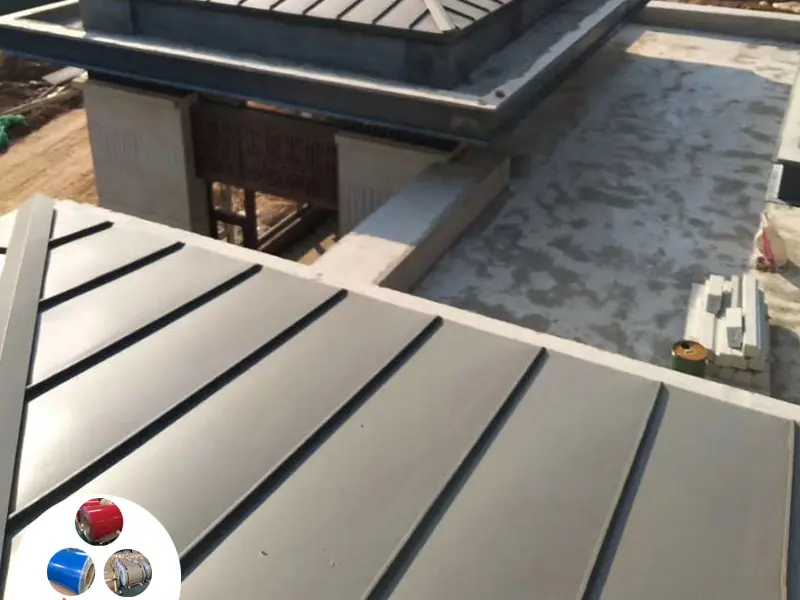
Aluminum roof panels are the top choice for many projects. It does not rust. It forms a natural oxide layer that heals itself. This makes it ideal for coastal homes and humid regions.
Aluminum roof panels cost more upfront than steel. But they save money over time. Less maintenance. Lower cooling bills. No replacement for decades. For coastal buildings, the extra cost pays back fast.
Not all aluminum is the same. The alloy grade changes strength, formability, and price.
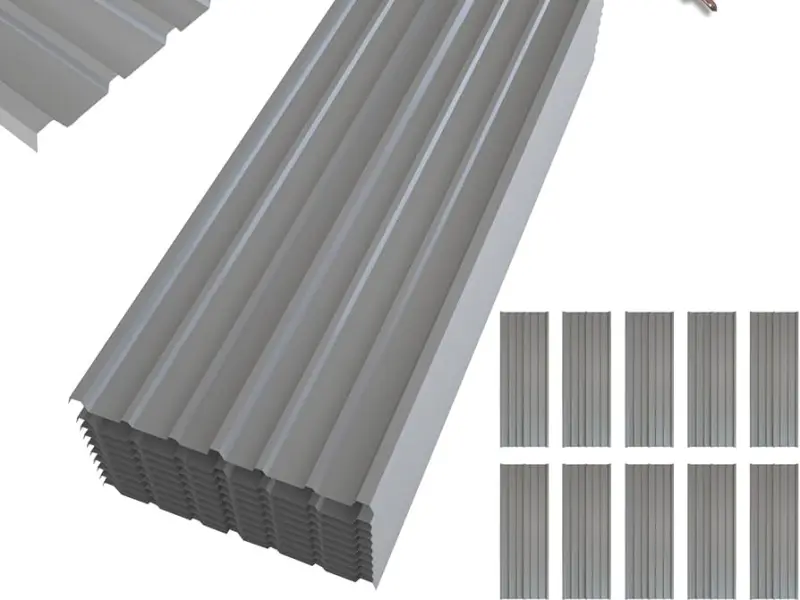
Alloy 3003 is the most common choice for residential roofing. It contains about 1.2% manganese. This gives it good strength and excellent formability.
| Property | Value |
|---|---|
| Tensile strength | 110 – 140 MPa |
| Elongation | 20 – 30% |
| Corrosion resistance | Good |
| Formability | Excellent |
| Best for | Residential roofs, decorative panels |
| Price range | $2.50 – $3.00 per kg |
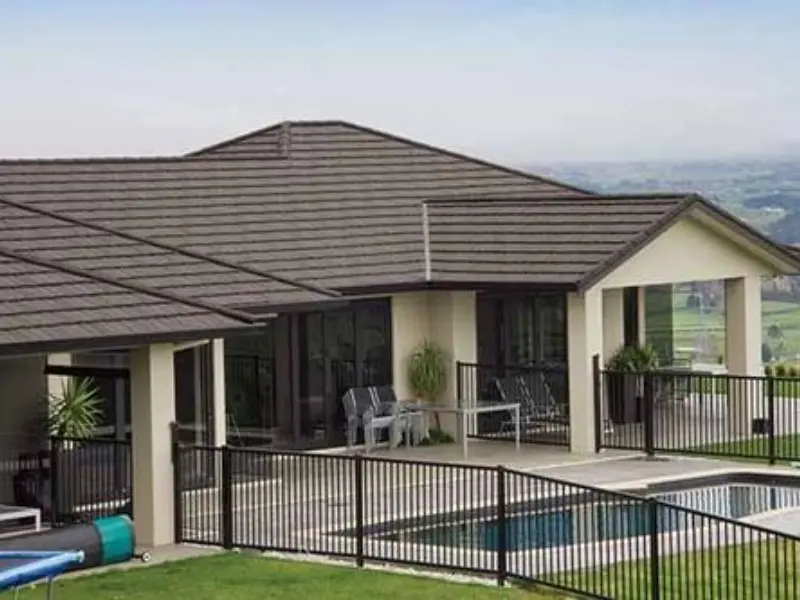
3003 aluminum roof panels bend easily into complex profiles. They suit stamped tile patterns and curved roof sections. The alloy handles inland climates well. For areas near the ocean, a higher-grade alloy works better.
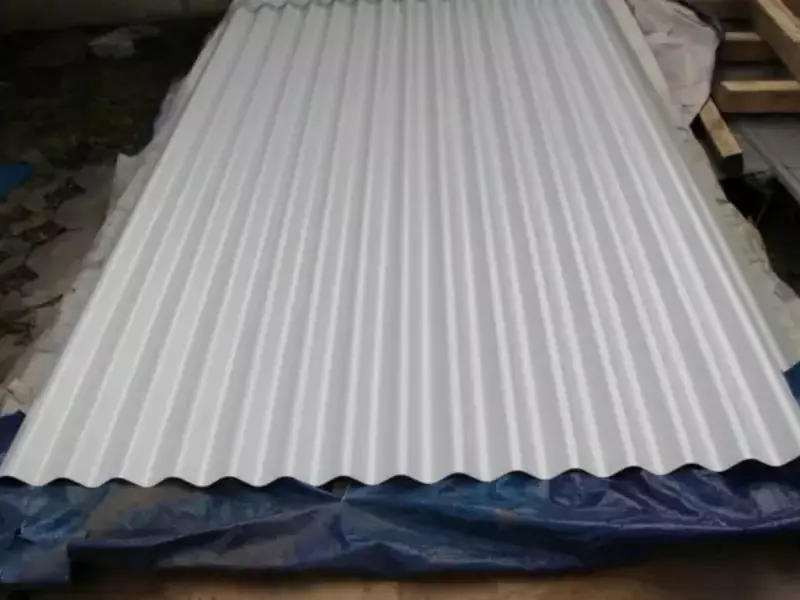
Alloy 5052 contains about 2.5% magnesium. This makes it much more corrosion-resistant than 3003.
| Property | Value |
|---|---|
| Tensile strength | 170 – 210 MPa |
| Elongation | 12 – 20% |
| Corrosion resistance | Very high |
| Formability | Good |
| Best for | Coastal buildings, marine environments |
| Price range | $3.00 – $3.50 per kg |
5052 aluminum roof panels are the smart pick for homes within 5 kilometers of the coast. Salt spray eats away at lesser alloys. The 20% to 40% price premium over 3003 pays for itself through longer life and fewer repairs. About 54% of aerospace honeycomb uses 5052. Roofing benefits from the same corrosion resistance.
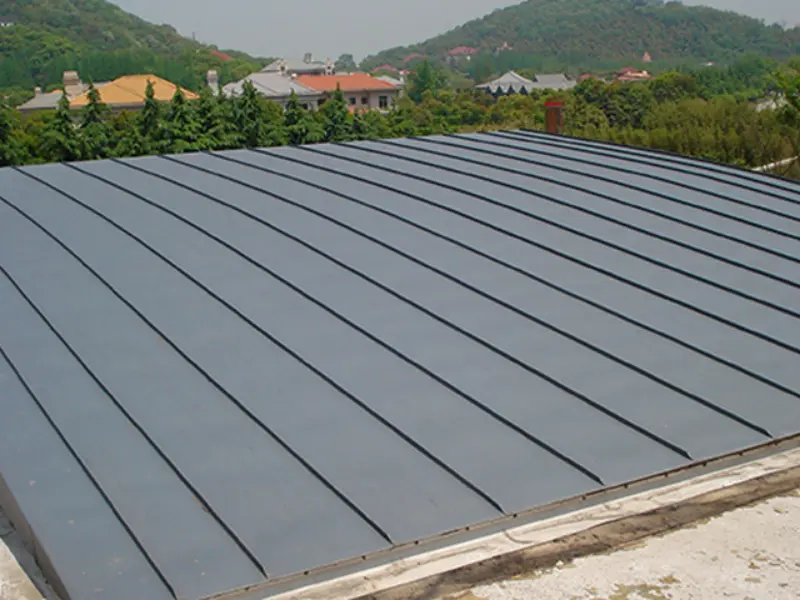
Alloy 5005 sits between 3003 and 5052. It has about 0.8% magnesium.
| Property | Value |
|---|---|
| Tensile strength | 140 – 180 MPa |
| Corrosion resistance | High |
| Formability | Very good |
| Best for | Architectural cladding, mid-range projects |
| Price range | $2.80 – $3.20 per kg |
5005 aluminum roof panels offer a balance. Better corrosion resistance than 3003. Lower cost than 5052. Many commercial buildings use this alloy.
| Alloy | Strength | Corrosion | Formability | Cost | Best Climate |
|---|---|---|---|---|---|
| 3003 | Standard | Good | Excellent | Lowest | Inland, dry |
| 5005 | Medium | High | Very good | Medium | Mixed, moderate humidity |
| 5052 | High | Very high | Good | Higher | Coastal, high humidity |
Temper shows how the aluminum is hardened after rolling.
| Temper | Description | Use for Roofing |
|---|---|---|
| H14 | Half hard, cold-worked | Standard panels, easy to form |
| H16 | Three-quarters hard | Stiffer panels, better dent resistance |
| H18 | Full hard | Maximum strength, less formable |
| H24 | Half hard, partially annealed | Balanced strength and workability |
Most aluminum roof panels use H14 or H24 temper. H14 is common for corrugated profiles. H24 suits standing seam systems that need some flexibility during installation.
Thickness is measured in millimeters or gauge. Thicker panels resist impact and wind better.
| Application | Thickness (mm) | Gauge Equivalent | Wind Rating | Best For |
|---|---|---|---|---|
| Light residential | 0.40 – 0.50 | 26 – 28 | Up to 120 km/h | Sheds, porches, budget homes |
| Standard residential | 0.50 – 0.70 | 24 – 26 | Up to 150 km/h | Most homes, garages |
| Coastal residential | 0.60 – 0.80 | 22 – 24 | Up to 180 km/h | Beach houses, humid regions |
| Commercial | 0.70 – 1.00 | 20 – 22 | Up to 200 km/h | Offices, warehouses |
| Industrial | 0.80 – 1.20 | 18 – 20 | Up to 220 km/h | Factories, heavy-duty roofs |
A 0.60 mm thick 5052-H14 aluminum roof panel handles most coastal conditions. It resists denting from hail. It stays flat in high winds. For areas with severe storms, go thicker.
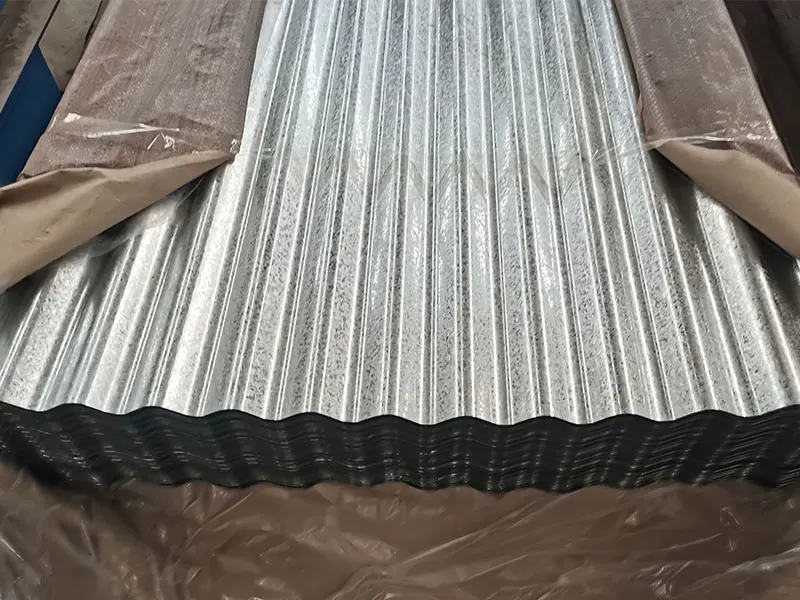
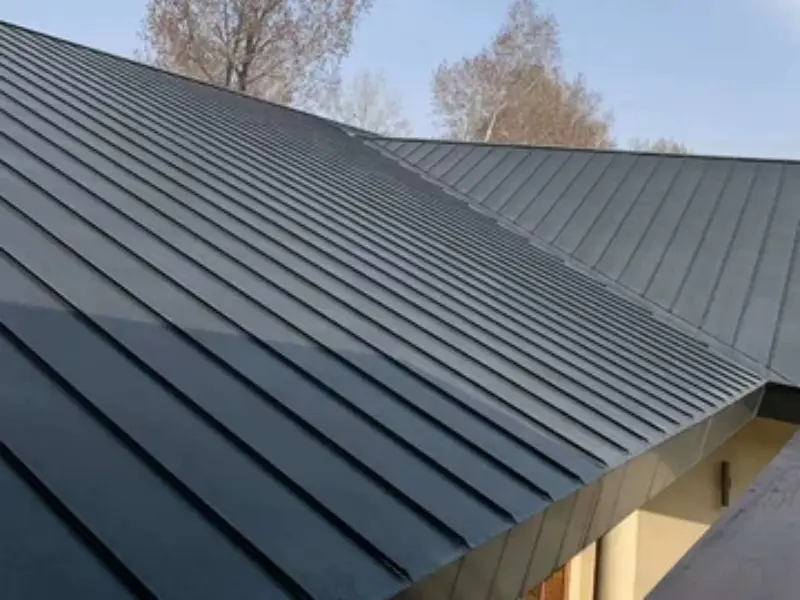
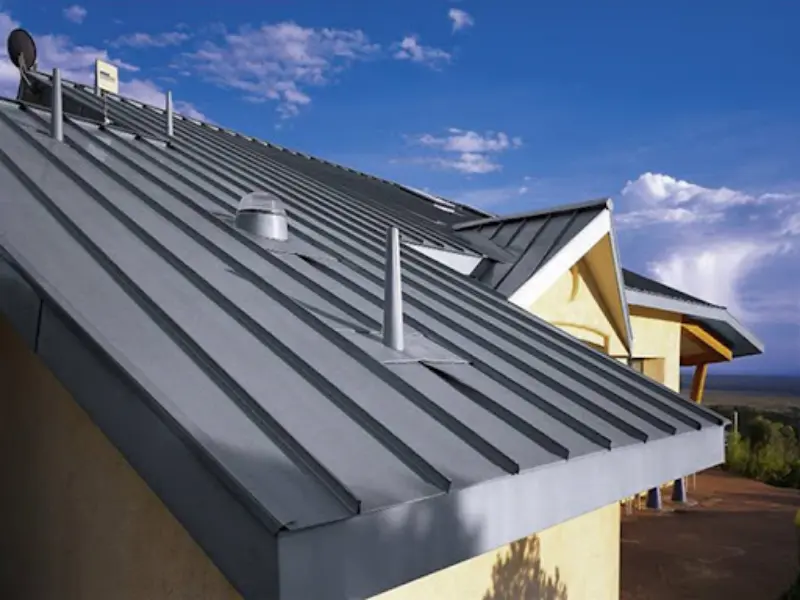
Standing seam metal roof panels have raised seams that lock together. The fasteners hide under the seams. No screws show on the surface.
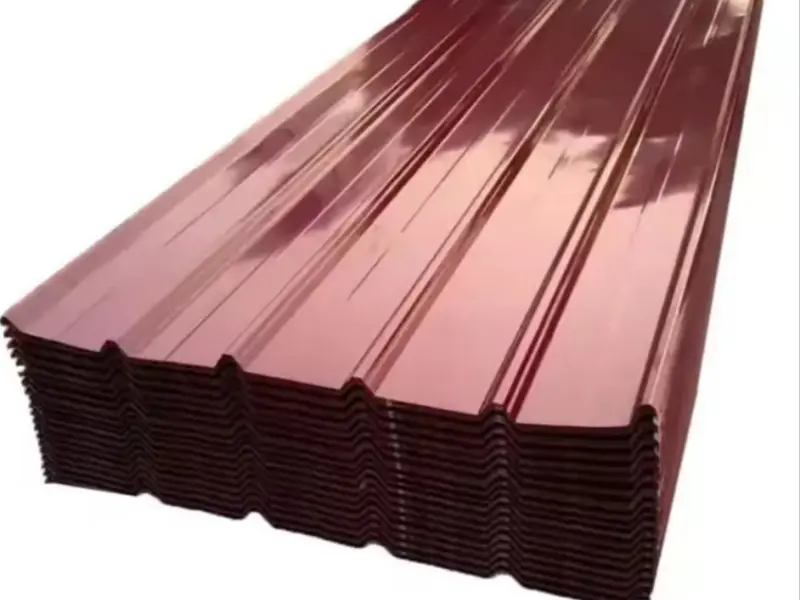
Each panel has a male leg and a female leg. The legs interlock. A special machine folds them together. This creates a watertight joint. The clips that hold the panel to the roof deck sit under the seam. They are invisible.
| Profile Type | Seam Height | Best Use | Cost per Sq Ft |
|---|---|---|---|
| Snap-lock | 1.0″ – 1.5″ | Residential, moderate wind | $8 – $12 |
| Mechanical lock | 1.5″ – 2.0″ | Commercial, high wind | $10 – $15 |
| Batten seam | 2.0″ – 3.0″ | Historic, steep slopes | $12 – $18 |
| Vertical leg | 1.5″ – 2.5″ | Solar-ready, modern homes | $10 – $16 |
Standing seam metal roof panels last 40 to 70 years. They resist winds up to 180 mph. They need almost no maintenance. The concealed fasteners never leak. Insurance companies often give 15% to 35% discounts for these roofs.
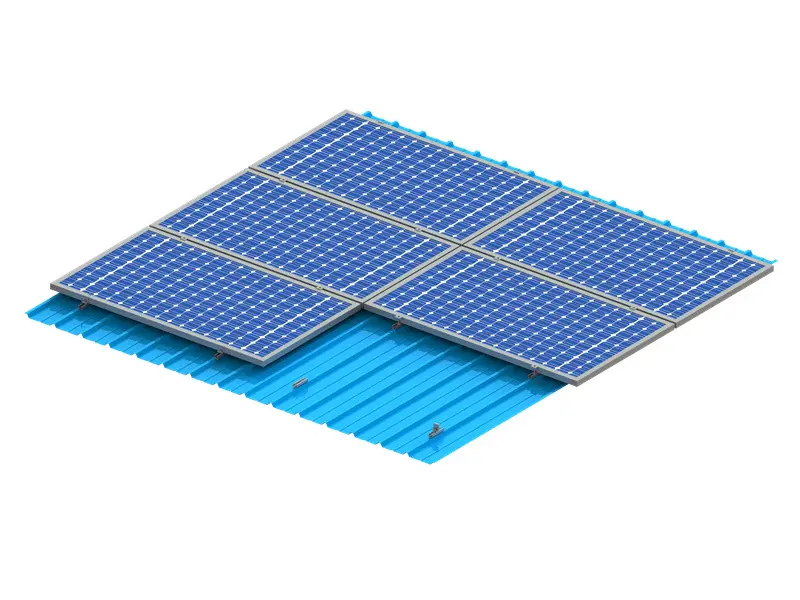
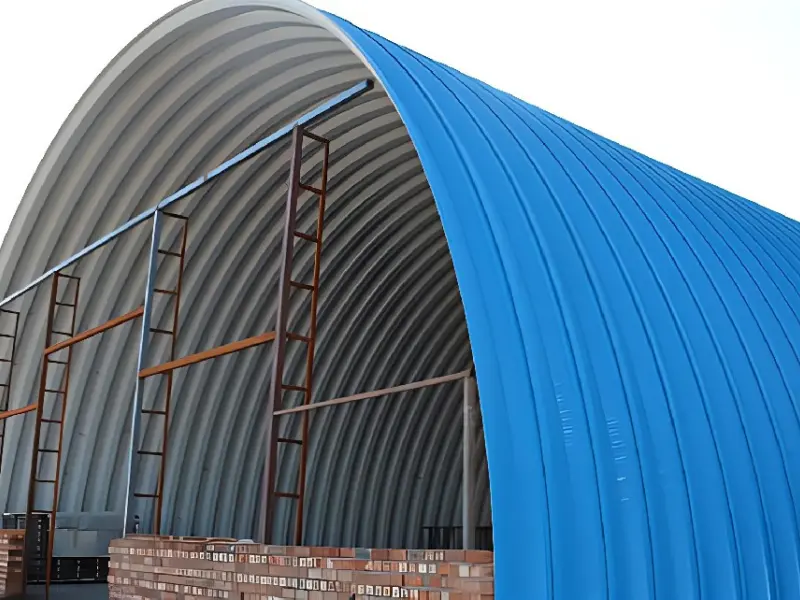
Corrugated metal roof panels have a wavy profile. They look like ridges and valleys. Installers attach them with screws through the panel face.
| Profile | Rib Height | Pitch | Typical Use |
|---|---|---|---|
| 2.5 corrugated | 0.5″ | 2.5″ | Agricultural, sheds |
| 3.0 corrugated | 0.75″ | 3.0″ | Residential, garages |
| 5V crimp | 0.5″ | 21″ | Traditional homes |
| R-panel | 1.25″ | 12″ | Commercial, industrial |
| U-panel | 0.75″ | 6″ | Budget residential |
Corrugated metal roof panels cost less than standing seam. They install faster. A crew can cover a simple roof in one to two days. But the exposed screws are weak points. The rubber washers degrade in UV light. In salt air, they fail in 8 to 12 years. Plan to re-seal all fasteners every 10 to 15 years.
Ribbed panels sit between standing seam and corrugated. They have visible ribs but use some concealed fasteners.
| Feature | Ribbed Panels | Standing Seam | Corrugated |
|---|---|---|---|
| Fastener exposure | Partial | None | Full |
| Cost per sq ft | $7 – $11 | $12 – $18 | $8 – $12 |
| Lifespan | 30 – 50 years | 40 – 70 years | 25 – 40 years |
| Wind rating | 120 – 160 mph | 140 – 180 mph | 110 – 140 mph |
| Maintenance | Low | Minimal | Moderate |
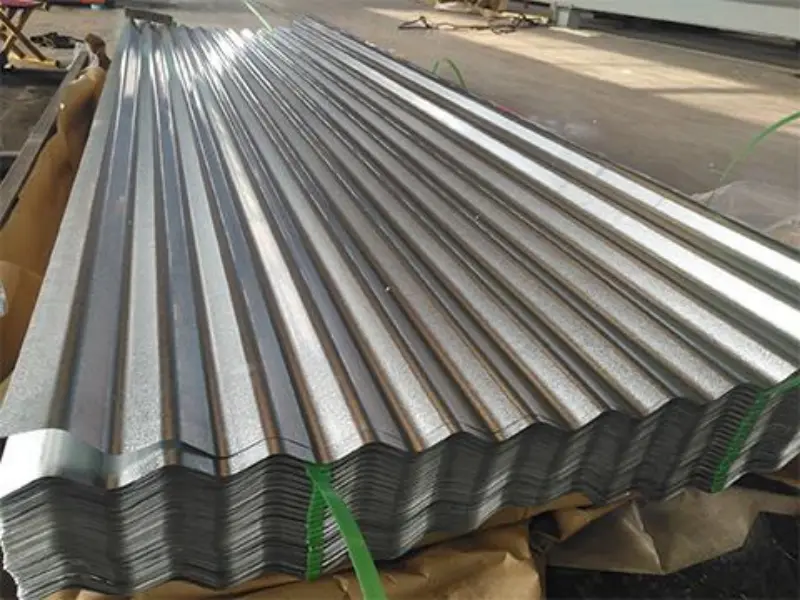
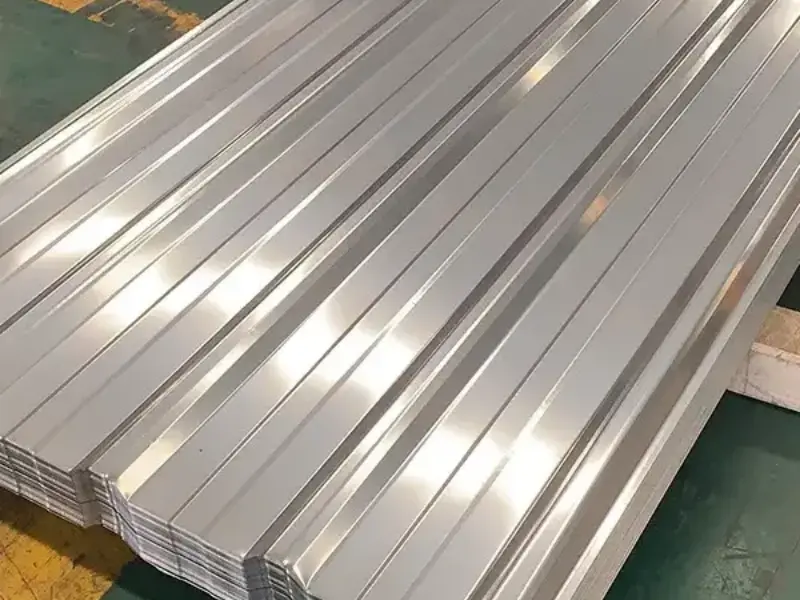
Steel is the other big player in metal roofing. Most steel panels use a Galvalume coating. This is a mix of aluminum and zinc over a steel core.
| Factor | Aluminum Roof Panels | Steel (Galvalume) Roof Panels |
|---|---|---|
| Weight | ~1.5 kg/sq ft | ~2.2 kg/sq ft |
| Rust resistance | Excellent, self-healing | Good, coating-dependent |
| Hail resistance | Moderate, dents easier | Excellent, harder metal |
| Fire rating | Needs special underlayment | Class A, inherent |
| Cost | 20 – 30% higher | Lower upfront |
| Lifespan | 40 – 60 years | 40 – 50 years |
| Coastal use | Ideal | Warranty void near salt water |
| Thermal expansion | Higher, needs expert install | Moderate |
| Best for | Coast, humid, weight limits | Inland, hail-prone, budget |
Aluminum roof panels win on weight and corrosion resistance. Steel wins on impact resistance and upfront cost. For a home near the ocean, aluminum is the clear choice. Steel warranties often cancel within 1,500 feet of salt water. For inland areas with frequent hail, steel may be better.
Copper is the premium option. It lasts over 100 years. It develops a green patina. But it costs three to four times more than aluminum.
| Factor | Aluminum Roof Panels | Copper Roof Panels |
|---|---|---|
| Cost per sq ft | $12 – $17 | $35 – $50 |
| Lifespan | 40 – 60 years | 100+ years |
| Color options | Full RAL range, PVDF | Natural patina only |
| Weight | Light | Heavy |
| Maintenance | Minimal | None needed |
| Best for | Most projects, value | Historic, luxury homes |
Aluminum roof panels give you 80% of copper’s benefits at one-third the cost. For most buyers, this is the practical choice.
Insulated metal roof panels combine the outer skin, insulation core, and inner liner in one factory-made unit.
| Core Material | R-Value per Inch | Best For | Fire Rating |
|---|---|---|---|
| Polyurethane (PUR) | R-6 to R-7 | Commercial, cold storage | Good |
| Polyisocyanurate (PIR) | R-7 to R-8 | High-performance buildings | Excellent |
| Mineral wool | R-4 to R-5 | Fire-critical applications | Non-combustible |
| EPS foam | R-4 | Budget projects, sheds | Moderate |
Insulated aluminum roof panels with PIR core reach R-values of R-30 to R-40 in a 6-inch thickness. They cut heating and cooling costs by 30% to 50%. The factory bond between skin and core prevents air leaks. Installation is faster than adding insulation separately.
| Parameter | Typical Range |
|---|---|
| Overall thickness | 2″ – 8″ (50 – 200 mm) |
| Aluminum skin thickness | 0.5 mm – 1.2 mm |
| Panel width | 36″ – 48″ (900 – 1,200 mm) |
| Panel length | Up to 50 ft (15 m) |
| U-value | 0.15 – 0.35 W/m²K |
| Weight | 2.5 – 6.0 kg/m² |
The coating protects the metal. It also sets the color and gloss.
| Coating Type | Thickness | Warranty | Best For |
|---|---|---|---|
| Polyester (PE) | 18 – 25 microns | 10 – 15 years | Budget, inland |
| SMP (Silicone modified) | 25 – 35 microns | 15 – 20 years | Mid-range, moderate climate |
| PVDF (Kynar 500) | 25 – 40 microns | 20 – 30 years | Premium, harsh sun, coast |
| Anodized | 5 – 25 microns | 20+ years | Natural metallic look |
| Stone-coated | 1 – 2 mm aggregate | 50 years | Hail resistance, texture |
PVDF-coated aluminum roof panels are the gold standard. The Kynar 500 resin resists chalking and fading. Colors stay true for decades. Coastal homes should always specify PVDF.
| Color Category | Popular Choices | Solar Reflectance |
|---|---|---|
| White / off-white | Bright white, ivory, cream | 0.60 – 0.85 |
| Light gray / silver | Metallic silver, ash, platinum | 0.40 – 0.60 |
| Earth tones | Terracotta, sand, bronze | 0.25 – 0.40 |
| Dark colors | Charcoal, black, forest green | 0.05 – 0.25 |
| Specialty | Copper-look, wood grain, patina | Varies |
Black metal roof panels look sharp. But they absorb heat. In hot climates, choose light colors. A white aluminum roof panel can cut cooling costs by 20% compared to black asphalt shingles.
Cutting aluminum roof panels is simple with the right tools.
| Tool | Best For | Notes |
|---|---|---|
| Tin snips | Small cuts, curves | Manual, slow, clean edges |
| Nibbler | Notches, complex shapes | No distortion, no heat |
| Circular saw with metal blade | Straight cuts, bulk work | Use fine-tooth blade, wear eye protection |
| Shear | Factory cuts, straight lines | Cleanest edge, fastest |
Always wear gloves and safety glasses. Aluminum edges are sharp. Cut on a flat surface. Support the panel to prevent vibration. Mark your line with a permanent marker. Cut slightly outside the line. You can file to exact size.
Standing seam installation needs skill. The seaming machine costs thousands. Hire a certified installer. One mistake in the seam can cause leaks for decades.
Corrugated panels are more DIY-friendly. But the exposed screws must be tight. Do not over-tighten. The washer should compress slightly. Check all screws after the first year. Tighten any that have loosened.
| Panel Type | Material Only | Installed | Per Sq Ft |
|---|---|---|---|
| Corrugated steel | $4 – $6 | $8 – $12 | Budget |
| Corrugated aluminum | $5 – $8 | $10 – $14 | Mid-range |
| Ribbed steel | $5 – $7 | $9 – $13 | Mid-range |
| Ribbed aluminum | $6 – $9 | $11 – $16 | Mid-range |
| Standing seam steel | $7 – $10 | $12 – $18 | Premium |
| Standing seam aluminum | $8 – $12 | $14 – $20 | Premium |
| Insulated aluminum | $12 – $18 | $18 – $28 | High-performance |
| Length | Corrugated Aluminum | Standing Seam Aluminum |
|---|---|---|
| 8 ft | $25 – $40/panel | $35 – $55/panel |
| 10 ft | $30 – $50/panel | $45 – $70/panel |
| 12 ft | $35 – $60/panel | $55 – $85/panel |
| 16 ft | $45 – $75/panel | $70 – $110/panel |
| 20 ft | $55 – $90/panel | $85 – $135/panel |
Metal roof panels 12 ft are a popular size. They cover most residential rafter spans without a lap joint. Fewer joints mean fewer leak risks.
Local suppliers stock common sizes and colors. You can see samples in person. Delivery is fast. But selection may be limited. Call ahead to check stock.
Big box stores carry corrugated steel and aluminum panels. They stock standard colors like white, brown, and black metal roof panels. Prices are competitive for small projects. Custom lengths and colors are not available.
Online suppliers offer full custom options. Choose any length, color, and profile. They ship to your job site. Lead time is usually 2 to 4 weeks. Order early to avoid delays.
Canadian buyers need panels rated for snow load and cold. Insulated metal roof panels are popular in Canada. They prevent ice dams. They keep heat inside. Look for suppliers with CSA certification.
For coastal and humid areas, yes. Aluminum does not rust. It lasts longer near salt water. Steel is stronger against hail. It costs less. For inland homes in hail-prone areas, steel may be better. For most other cases, aluminum roof panels are the smarter long-term choice.
Standing seam aluminum roof panels last 40 to 70 years. Corrugated aluminum lasts 25 to 40 years. Steel panels last 30 to 50 years. The coating matters. PVDF adds 10 years over polyester. Proper installation adds even more.
Yes, in many cases. Check local codes. The roof deck must be solid. Add furring strips to create an air gap. This prevents moisture buildup. The total weight must not exceed the truss capacity. Aluminum roof panels are light enough for most overlays.
No. Metal does not attract lightning. It conducts electricity. If struck, it disperses the energy safely. A metal roof is no more likely to be hit than any other roof. It may actually be safer because it is non-combustible.
Use a soft brush and mild detergent. Rinse with a garden hose. Do not use pressure washers. They can force water under the panels. Do not walk on the roof unless you know where to step. Step on the flat areas, not the ribs.
For residential use, 24-gauge to 26-gauge is standard. Thicker is stronger. 22-gauge handles severe hail. 29-gauge is too thin for most homes. It dents easily. It may void insurance discounts.
Black absorbs heat. In hot climates, black metal roof panels can reach 170°F (77°C) in direct sun. Light colors stay 50°F cooler. If you want black, choose a PVDF coating with cool pigment technology. This reflects infrared heat while keeping the black look.
Yes. Standing seam metal roof panels are ideal. Solar clamps attach to the seams. No drilling needed. No leaks. Corrugated roofs need penetrating mounts. This adds leak risk. Always use a solar installer experienced with metal roofs.
Aluminum roof panels offer a rare mix of benefits. They are light. They are strong and resist corrosion for decades. Many panles reflect heat and cut energy bills and come in every color you can imagine.
The alloy matters. 3003 saves money on inland jobs. 5052 protects coastal homes from salt. The temper matters. H14 forms easily. H16 resists dents. The thickness matters. 0.6 mm handles most winds. 1.0 mm stands up to hurricanes.
The profile matters too. Standing seam gives you the cleanest look and longest life. Corrugated saves money on sheds and barns. Insulated panels cut energy costs for commercial buildings.
Whether you need metal roof panels 12 ft for a home addition, standing seam metal roof panels for a new build, or insulated metal roof panels for a warehouse, aluminum delivers. Work with a supplier who offers mill certs, color samples, and engineering data. The right aluminum roof panel will protect your building for generations.
